The Konami Code: origins of gaming's most famous cheat
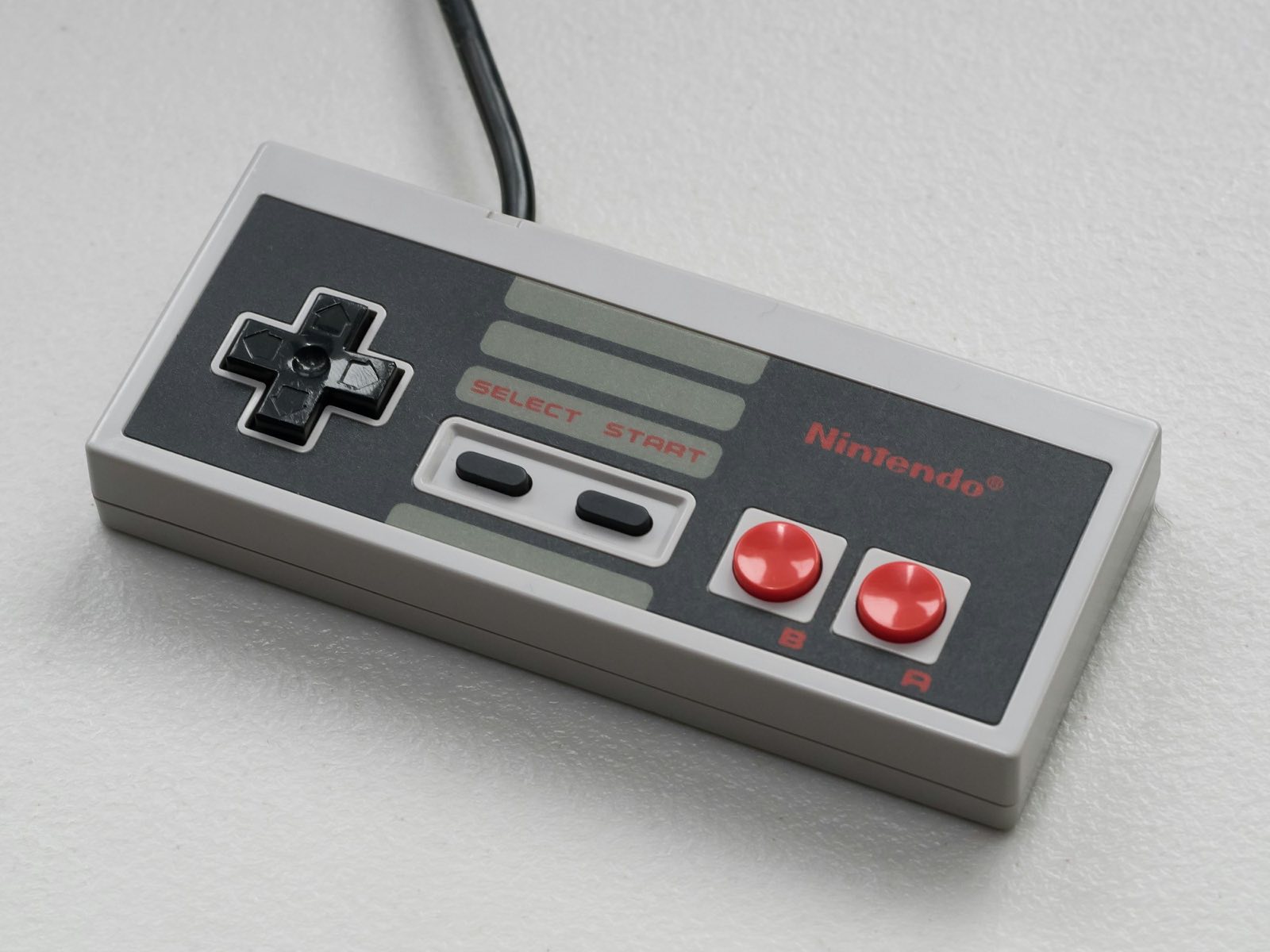
Up, up, down, down, left, right, left, right, B, A, Start. Eleven button presses that plenty of players can recite without thinking, even if they’ve never held an NES controller. That sequence, known worldwide as the Konami Code, turns forty this year, an anniversary several outlets tied to the 1986 NES release of Gradius, as ComicBook.com noted. It was never supposed to survive the game’s launch, let alone the four decades since.
A bug left in Gradius
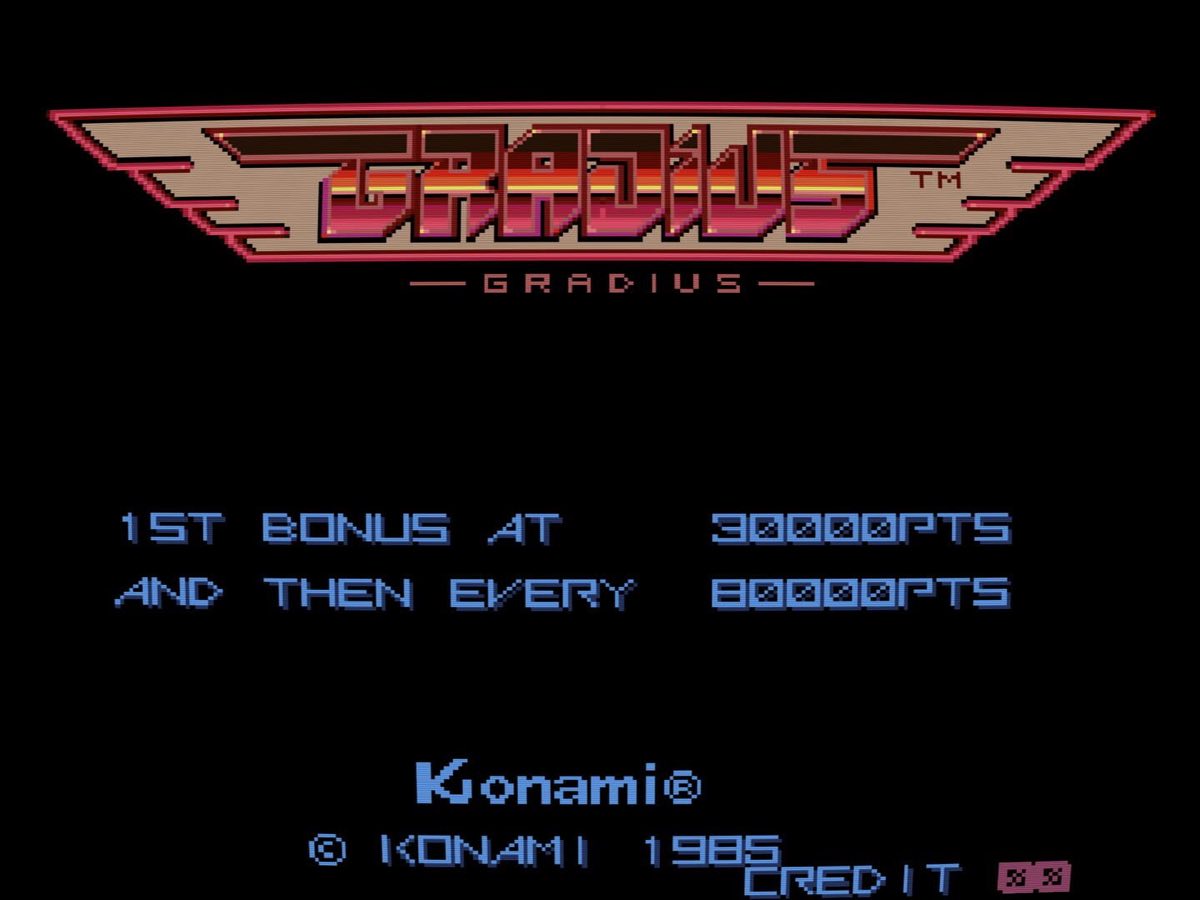
The code came out of work by Kazuhisa Hashimoto, tasked with porting Gradius, the 1985 arcade shoot-em-up, to the NES the following year, according to his biography on Wikipedia. Hashimoto hadn’t had time to practice on the arcade version and struggled to finish it during testing. His fix: a combination that hands over every ship power-up at once, ones normally earned by playing through the level.
In an interview translated and republished by glitterberri.com, he sums up his logic plainly: since he was going to be the one using it, he made it easy to remember. The code was meant to disappear before the commercial release. It stayed in the shipped game, apparently by plain oversight, and players spotted it almost immediately.
Contra turns it into a lifetime subscription
The code first shows up in Gradius, but it’s Contra, released on NES in 1988, that makes it unavoidable in North America. There, it hands over thirty lives instead of a power-up refill, earning it two nicknames that outlasted the decade: the Contra Code and the 30 Lives Code, per the Wikipedia page on the subject. Contra has a reputation for being brutal solo, and the combination became close to mandatory for finishing it without losing an entire weekend to it. A fun detail: entering it backwards works just as well and grants the same bonus.
Konami never really stopped using it
Once the trick worked, Konami leaned on it across a large chunk of its 1980s and 1990s catalog. The most surprising instance dates back barely two years. In 2024, amateur developers going by Liquid Cat and Moises uncovered an entirely new variant of the code hidden in Castlevania: Legacy of Darkness, released on Nintendo 64 in 1999, a discovery detailed by RetroDodo. That version, longer and built around the N64 controller’s C buttons, unlocks every playable character and their alternate costumes from the start of the game. Twenty-five years after the game’s release, nobody had documented it.
Hashimoto himself stayed at Konami for the rest of his career. He worked on the NES port of Track & Field, designed a dedicated controller for that same game, then contributed to titles like The Goonies and Legend of the Mystical Ninja. He died on February 25, 2020, at 61, weeks before the rest of the world stopped for very different reasons, which quietly overshadowed the tributes meant for him, as NPR reported at the time.
From the NES pad to the address bar
Long before today’s website easter eggs, Google had already tucked the code into Google Reader, spotted and written up by TechCrunch in June 2008. ESPN.com followed, raining rainbows and unicorns over the page in 2009, then Facebook the same year with a lens-flare effect on click, and Digg, where the combination auto-expanded nested comments before later turning into a straight-up Rickroll. In 2010, Newsweek.com pushed the idea further by swapping every headline on the page for zombie-invasion references, according to a roundup of web easter eggs compiled by the Daily Dot.
The sequence eventually stepped outside the web entirely and into film. In Wreck-It Ralph, released in 2012, King Candy taps the code on a door shaped like a giant NES controller to reach the vault holding Sugar Rush’s source code, notes the Wikipedia page on the Konami Code.
Still alive, forty years on
Far from fading out, the code keeps turning up in games released long after the NES stopped selling. In BioShock Infinite (2013), entering it from the main menu unlocks 1999 Mode, the game’s most punishing difficulty setting. Developer Irrational Games confirmed it was a deliberate choice by design director Bill Gardner, and creative director Ken Levine made no secret of it: “average gamers are gonna hate this mode, that’s okay, it’s not for them,” he told PC Gamer.
Fortnite has used it twice: first in October 2019, during the event that closed out Chapter 1, when the combination triggered a retro shooting minigame pitting Pizza Pit against Durr Burger on the black hole screen, reported at the time by Forbes, then again through a free emote called Up, Up, Trot Trot!, unlockable from the lobby with the same button sequence, as Distractify detailed.
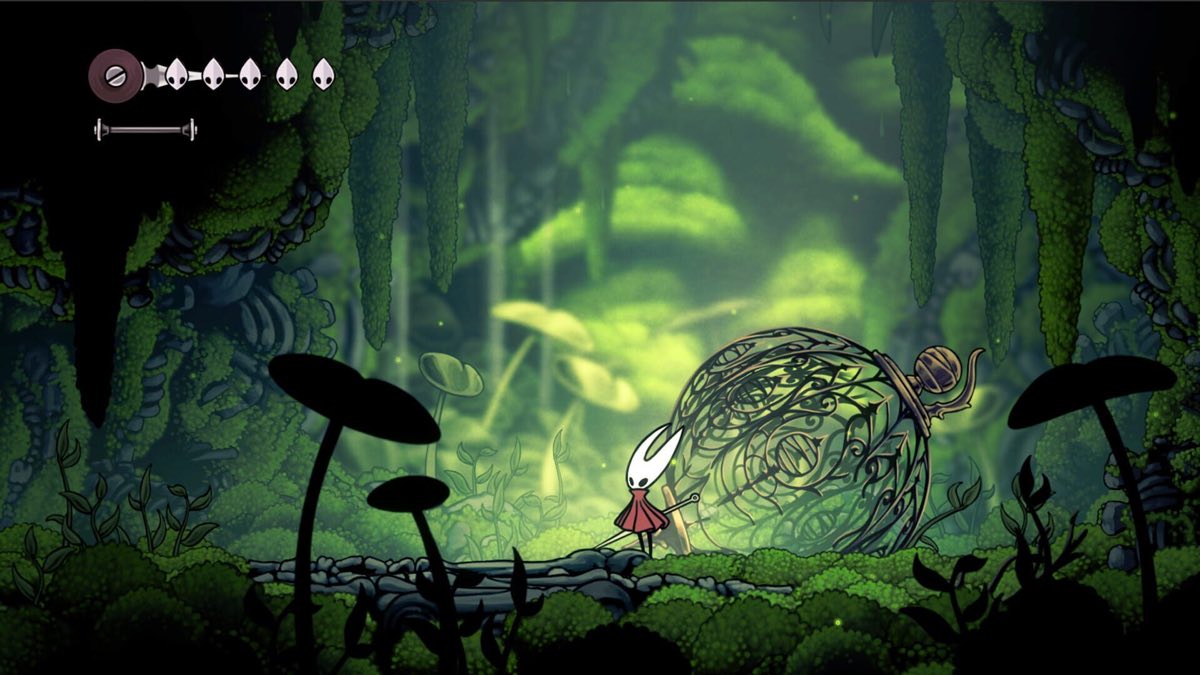
More recently, Hollow Knight: Silksong, released in September 2025, hides a variant of the code (up, down, up, down, left, right, left, right) in its Extras menu that unlocks Steel Soul mode outright, without needing to beat the game first, as DualShockers detailed.
A password that outlived its inventor
What stands out, looking back, is that the Konami Code never needed to be complicated to last. It fits on two hands, gets passed along verbally in seconds, and every new generation of developers seems to enjoy sneaking it in somewhere, sometimes for real, sometimes just as a wink. A bit like a game library spread across several consoles and several decades: at some point you lose track of what you actually finished and what you just brushed past. Radion exists for exactly that, pulling Steam, Xbox, PlayStation, and Nintendo libraries into one place. It won’t help you find a code hidden in an old N64 game, but it’ll at least help you remember whether you finished it.